
Stay informed
Subscribe for the BDI Newsletter & Updates
Contacts
contact@burundidi.org
chairman@burundidi.org
+257 79 92 60 67 / +1 (310) 415-7827
Leave a message
EMAIL FORM
According to historical records, the original site of Bujumbura was a 100-hectare tract of land purchased from a local chief on August 10, 1897, by German missionaries.
The land was acquired by the Missionaries of Algiers, founded by Cardinal Charles Lavigerie, who established the Saint Anthony of Uzige Mission, now known as Saint Michael Parish of Bujumbura.
This marked the beginning of what would eventually become Burundi's largest city.
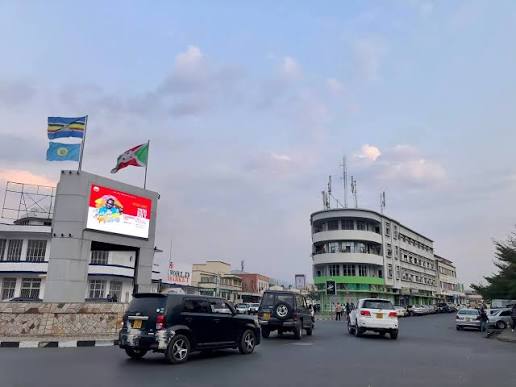
On July 1, 1962, the day Burundi gained independence, Bujumbura was officially declared the capital of the country.
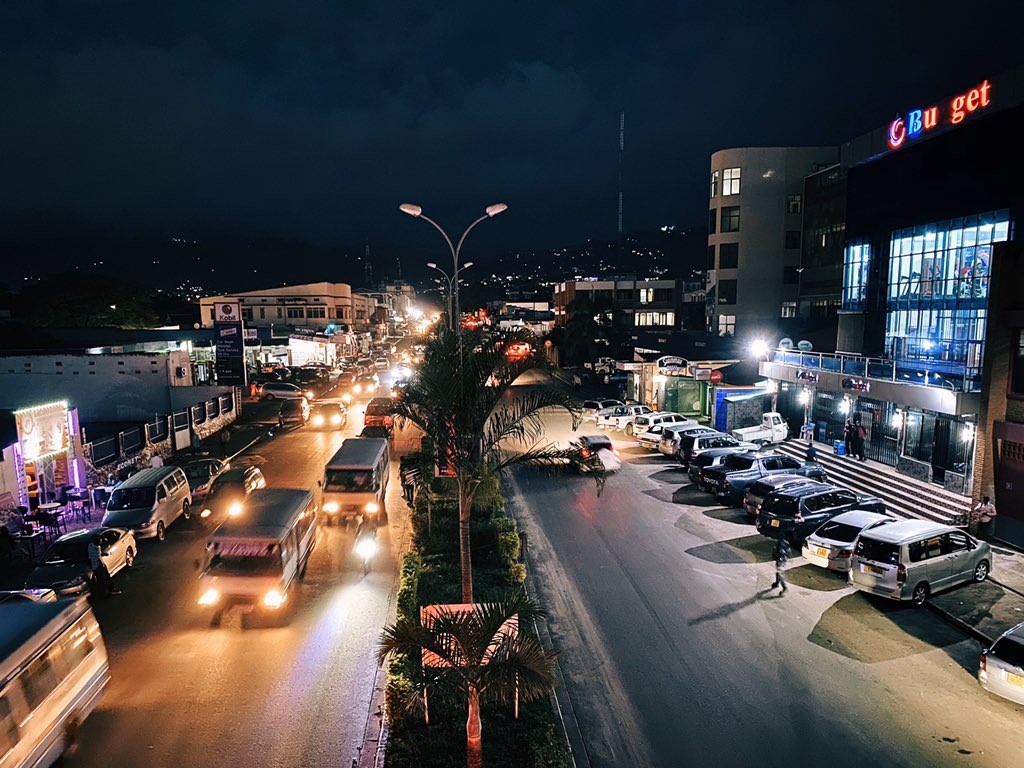
Following independence, the city experienced rapid urban growth, expanding its infrastructure, population, and economic importance.
As Bujumbura developed, numerous new neighborhoods emerged, including:
Today, the city's official area covers approximately 14,500 hectares (145 square kilometers).
Urban development has also extended beyond the city's traditional boundaries, with nearby communities such as Gasenyi, Muberure, Maramvya, Rubirizi, Tenga, Kajaga, Gatumba, Rukaramu, and Ruziba continuing to grow alongside the metropolitan area.
Before Burundi's most recent administrative restructuring, Bujumbura had been governed by 19 mayors, reflecting more than a century of municipal administration and urban development.
According to the 2024 national census, the newly reorganized Province of Bujumbura is home to approximately 3.35 million people, making it one of the country's most densely populated regions.
Bujumbura has long been recognized as one of East Africa's most diverse cities.
Its population is composed primarily of Burundians and Congolese, alongside communities of Arabs, Asians, French, Belgians, Rwandans, Tanzanians, Ugandans, and many other nationalities.
This multicultural character has helped shape Bujumbura into a vibrant commercial, cultural, and social hub within the Great Lakes region.
As Bujumbura approaches its 129th anniversary, the city continues to evolve while preserving the rich history that began with a small missionary settlement in 1897.
Today, it stands not only as Burundi's economic capital, but also as a symbol of the country's history, diversity, and continued urban development.
